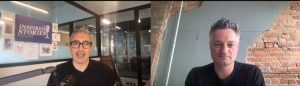
🎙️ From Building Small Boat Escaping Cuba to Executive Chef at Hyatt Centric: Chef William Milian’s Journey
In this inspiring episode, Chef William Milian, Executive Chef and Food & Beverage Director at Hyatt Centric Brickell Miami, shares his remarkable journey from 1994 Cuba, arriving Miami 1996 staying with aunt finding dishwashing job Japanese restaurant Sonesta Beach Resort discovering culinary art through sushi chef Isamo teaching seaweed first then cooked food Wednesdays at home eventually bar position 10 years total, studying network administration three classes from graduation friend suggesting culinary school Le Cordon Bleu dropping out computer science, and attending 8 AM-2 PM classes then working 3-11 PM only Wednesdays off wife Isabel waking 5 AM ironing uniforms supporting 15-month sprint becoming summa cum laude valedictorian 4.0 GPA shocking classmates thinking accent meant poor grammar—Chef William reveals opening second Hyatt Centric worldwide first executive chef position emotional toll everybody asking menu directions sales team pre-opening groups spinning head, Cuban restaurant Canya elevated authentic cuisine sous vide vaca frita staying humble roots using Peruvian aji amarillo peppers when Cuban aji cachucha unavailable vendors don’t carry, Colombian muralist enormous two-wall installation German-built cigar box towers local artist painted plates Cuban tradition walls, and goal becoming best Cuban restaurant Miami equals best world bigger than Michelin star working towards recognition big leagues community.
✨ Key Insights You’ll Learn:
- 1994 Cuba exodus: Castro opened borders after Berlin Wall socialism fall, 30,000 people left on rafts/boats 15-day crisis
- Small boat journey: 20-foot vessel with tractor engine, seven people plus two best friends, lost engine twice
- Coast Guard rescue: dropped life jackets, horrible night storm vomiting everybody, picked up 5 AM first boat
- Guantanamo Bay year and a half: concentration camp tents divided by alphabet, lottery system families first then singles
- Tattoo business prison-style: burned plastic smoke for ink, charged cigarettes/Jack Daniels/sneakers, worked Navy hospital
- Miami arrival 1996: stayed with aunt, Japanese restaurant dishwashing sparked culinary passion through art/creativity
- Sushi chef Isamo mentorship: carpenter mornings helping installations, taught eating Japanese food, seaweed first strategy
- 10-year Sonesta journey: dishwasher to busser to server to sushi bar, opened second Japanese restaurant two years
- Culinary school sprint: Le Cordon Bleu 8 AM-2 PM, work 3-11 PM, wife Isabel 5 AM wake-ups ironing uniforms
- Summa cum laude valedictorian: 4.0 GPA shocked classmates, limited vocabulary/accent but excellent grammar/writing, 15 months
- Opening Hyatt Centric challenges: second worldwide location, first executive chef role, emotional toll head spinning everybody asking
- Cuban restaurant Canya philosophy: elevated authentic staying humble roots, sous vide vaca frita technique perfection
- Ingredient adaptation: Peruvian aji amarillo when Cuban aji cachucha unavailable, vendors don’t carry traditional peppers
- Restaurant design elements: Colombian muralist two-wall mural, German cigar box towers, local artist painted plates Cuban tradition
- Best Cuban restaurant Miami goal: equals best world, bigger than Michelin star, working towards community recognition
🌟 Chef William’s Key Mentors & Influences:
Two Best Friends (Cuba): Grew up together since kids, rock/roll/grunge music bond, lifted each other during Guantanamo depression preventing going back
Castro Border Opening 1994: Created opportunity 30,000-person exodus, always dreaming leaving Cuba, great timing for escape attempt
US Coast Guard: Dropped life jackets horrible storm night, picked up 5 AM first boat, happiest day seeing big ship approaching
Guantanamo Navy Hospital Job: Mexican girlfriend from Navy got position, earned diploma, kept mind positive place versus concentration camp
Sushi Chef Isamo (Sonesta Beach Resort): Carpenter mornings doing installations, taught eating Japanese food progression, fought for sushi bar position 10 years
Wife Isabel: Woke 5 AM every day 15 months, ironed culinary school uniforms, supported intense schedule three-four hours sleep nightly
Le Cordon Bleu Culinary School: 8 AM-2 PM classes, founded competition team, summa cum laude valedictorian 4.0 GPA shocking classmates
Japanese Restaurant Discipline: 12 years total (10 Sonesta plus 2 opening second location), taught patience/discipline critical for career
Hyatt Corporate & Concord Hospitality: Task force opening support, mandates twice-yearly checks, beverage director monthly Ohio conversations
Mother in Miami: Brought to US 10 years after arrival, encouraged accepting Cuban restaurant position Hyatt Centric
Dishwashing Therapeutic Foundation: See everything, makes humble, therapeutic alone with thoughts, flow control position critical restaurant operations
👉 Don’t miss this powerful conversation about Castro opening borders triggering 30,000-person exodus, building 20-foot boat with best friends losing engine twice Coast Guard rescue after horrible storm night, year and a half Guantanamo Bay doing tattoos burned plastic smoke ink working Navy hospital, arriving Miami 1996 Japanese restaurant dishwashing sparking culinary passion through sushi chef Isamo 10-year mentorship, Le Cordon Bleu 15-month sprint 8 AM-2 PM classes working 3-11 PM wife Isabel waking 5 AM becoming summa cum laude valedictorian 4.0 GPA, and opening second Hyatt Centric worldwide first executive chef position creating elevated authentic Cuban restaurant Canya goal becoming best Miami equals best world.
LISTEN TO THE FULL EPISODE HERE
Transcript
Anthony Codispoti (00:01)
Welcome to another edition of the inspired stories podcast where leaders share their experiences so we can learn from their successes and be inspired by how they’ve overcome adversity. My name is Anthony Codaspote and today’s guest is chef William Millian. In 1994, he made a daring escape from Cuba, building a small boat with seven others. Their journey was fraught with peril.
leading to a year and a half in Guantanamo Bay before finally arriving to the US in 1996. Fast forward to today, and he is the executive chef and food and beverage director at Hyatt Centric Brickle Miami. This lifestyle hotel sits in the heart of Miami’s vibrant Brickle district, offering modern accommodations, a rooftop pool, and a unique dining experience at Kanya Restaurant.
The restaurant showcases Cuban inspired dishes celebrating local flavors and Miami’s multicultural heritage. Globally, the Hyatt brand has been recognized for its commitment to top tier hospitality, earning respect as one of the world’s leading hotel groups. Now, before we get into all that good stuff, today’s episode is brought to you by my company, Ad Back Benefits Agency, where we offer very specific and unique employee benefits that are both great for your team.
and fiscally optimized for your bottom line. Imagine being able to give your hotel and restaurant employees free access to doctors, therapists, and prescription medications. And here’s the fun part. The program actually puts more money into your employees’ pockets and the companies too. One recent client was able to increase net profits by $900 per employee per year. Results vary for each company and some organizations may not be eligible.
To find out if your company qualifies, contact us today at addbackbenefits.com. All right, back to our guest today, the executive chef of Hyatt Centric, William Millian. Thanks for making the time to share your story today.
William Milian (02:02)
Thank you for having me. Appreciate it.
Anthony Codispoti (02:05)
So
William, you left Cuba, 1994, small boat, seven other people, eventually spending a year and a half in Guantanamo Bay before arriving in the US in 1996. Can you walk us through first the decision to leave Cuba and then what that journey was like?
William Milian (02:25)
Sure, was a crazy idea to leave the country, especially in the little boat. I think we have, we didn’t have like in Cuba, I didn’t think I have any future. Most probably young people feel that way, especially I was 23 years old.
And I was with my friends and we talking all the time about, you know, leaving the country and especially because like at that time we, um, we were into like rock and roll and grunge music and, know, alternative music was like in 1994. was like crazy. And we always like, this is a small group of people, like not really many people in Cuba really are into like that kind of music. So we all know each other.
And we share things like magazine Rolling Stone and things like that. So we always looked at the life that in the United States, it was our dream to be here because we love it. We love the country itself. And we felt that we always talked about it. How nice would it be just to be there and dreaming about being here? And we didn’t really even care.
We never thought about what job we’re going to have. It’s just like sitting on the street and look, you know, passing by. That was enough for us. Right. So it was my two best friends and I, we decided, you know, we just we thought we would leave at some point. We didn’t have any strategy or any, you know, a specific.
Anthony Codispoti (04:14)
Did you tell your families?
Were your parents in on the plan?
William Milian (04:19)
No, they actually didn’t know anything about it when I left. And so, ⁓ yeah, the country got into a situation that was like in 1994. It was really bad. It was a lot of riots, people on the streets because, know, what happened on the on the Berlin Wall that, you know, then the socialists falling down and everything. ⁓ So.
The situation was really bad and Castro, at some point, he was still alive at that point, he said, listen, ⁓ know, United States is just creating all these and, you know, if you guys keep going, I’m just going to open the borders and just going to remove my coast guards and everybody could go. And sure enough, a few days later, he opened doors and it was one of the biggest exodus of, know, it was called the crisis of the rafters or something like that.
Cause it was like more than 30,000 people left on, you know, little raft and boats and things like that. ⁓ yeah.
Anthony Codispoti (05:20)
Okay, sorry, sorry to interrupt, William. I just
want to make sure I understand. So follow the Berlin Wall. There was this movement away from communism and socialism. And so this same energy had kind of made its way to Cuba. And Castro, there were lots of riots, people upset about the situation. They want changes too. Castro’s like, hey, fine. You want to go? Go. I take my coast guard out of the way and I’m not going to stop you from trying to leave. And so 30,000 people.
make their own little boats and rafts and set out roughly around the same time.
William Milian (05:53)
Yes, it was in the lapse of maybe 15 days a month because it was a big crisis. And then the two governments started conversations and tried to stop the whole exodus because it was a lot of people. And at some point, you know, the conversation, I don’t know what happened, what the deal was, you know, behind doors. the Cuban stopped the whole exodus and the United States ended up with like almost 40,000 people in one town of Hubei.
Anthony Codispoti (06:24)
And so you were part of that mass exodus.
William Milian (06:26)
I
was part of that because you always thinking about it, you always dreaming about it. And this was like the great opportunity. So and, you know, still at this point, like, my like I had two of my best friends. grew up together. We’ve been together since, you know, we’re kids. We still like best friends. And one of one of them was
He tried to leave Cuba in a raft and he was just like, you know, he was going to go to jail, whatever. And and this person that had this little boat of four, ⁓ you know, enough for eight people, ⁓ invite my best friend to leave. And my best friend came and talked to us and says, at least and I’m leaving. I’m like, why? Why? No, we want to leave, too. It was no room. It’s only eight people. And he said, you come with us because always at the end of the day, somebody will
retract because it’s a big decision. It’s just like a crazy thing, right? So we go with them and sure enough, one person called out, said, listen, I’m not going. It’s too crazy. And the owner of the boat says, OK, you call me with me. But not to me, my other friend. And I’m like, listen, I talk to my friends. I I’m not staying. I’m just going to go with you. And when the boat comes, because the boat’s supposed to pick everybody up on the shores, right?
on the beach. No, this is a boat that my friend ⁓ had, right? So, but the boat coming from harbor all the way to the beach, pick us up and then we left, right? So I told my friends, listen, I’m leaving. That’s it. You know, there’s no way around it. So when you guys jump on that boat, I’m also going to jump. I don’t care. And he says, OK, let’s go. And that’s what happened. And it was crazy because
Anthony Codispoti (07:53)
You’re talking about when boats from the US side come to…
⁓ okay.
William Milian (08:23)
I couldn’t tell anything to my mother because her husband, which is my stepfather, died like a week before. And the day I left, I’m supposed to travel with my mom on train to take my stepfather to his original city to get him buried or whatever. And my mom is like, tomorrow we’re leaving to the city. I’m like, no, I’m not going. And she’s like…
No, it wasn’t me. not going. So we have a big fight. I’m not going. I’m not going. So I couldn’t tell anything to my mom that I was leaving. I talked to a neighbor. That was the only person I talked to. And I said, listen, I’m leaving tonight, but don’t say anything to my mom until the next day or whatever. And that’s why it ended up happening. Yeah.
Anthony Codispoti (09:11)
Wow. And so
what described the boat? Is this an inflatable raft? Is it an actual like wooden boat fiberglass?
William Milian (09:17)
No, this is
boat, a small boat. I think it was like 20 feet or 20 something feet that they built. And the boat have a small engine inside. It was like a tractor engine. And it was a really precarious ⁓ ship or boat. And it was… ⁓
The trip itself was really, really hard because we ⁓ lost the engine. It was only one engine. We lost it. When we still see Cuba, it was like less than 12 miles from Cuba. And these are nice, so we can still see the reflections of the lights. So the engine broke, but we ended up fixing it. And then we kept going. And around 50 miles from Cuba,
the boat broke again. And this time we couldn’t fix it. So, we’re in the boat. This is like, that’s it, we’re not moving. The boat is totally a little heavy and it’s like sideways. So, it’s not a good position to be and there’s no winds or anything to move it, know, like facing the waves, right? So, we see a coast guard passing by the airplane.
And we like super happy. Yeah. No, you guys go to car. And we like super happy. We didn’t know that it was like a really bad weather coming through and they just passed by and dropped some life jackets. And we like, OK, they’re going to pick us up. You know, they already know we’re here, whatever. And it was like that night was crazy. It was like the weather was really bad. The way it was like, I couldn’t see the other side.
Anthony Codispoti (10:44)
US Coast Guard or Cuba? US.
William Milian (11:13)
Everybody was vomiting. You know, it was like crazy. I was holding to the side of the boat and it’s like, you know, like I thought I was for real. I thought I was going to die in Cuba. You know, in my my my my my generation is not much religion because, know, we were out with the revolution and religion was moved from the revolution and you couldn’t go to church or whatever. So. I was not much of a religion person.
But that night I was like, I was believing in everything. was like, you know, praying to every God and everything. And it was, it was crazy. And the first boat that they picked up in the morning, five in the morning was, was our boat. Cause it was like, it was really bad. The condition was really bad for a boat. Like the raft stays floating always on top of the wave, but the boat can capsize. So it’s not good. So.
Probably one of the happiest day of my life was when I saw the big Coast Guard getting closer to us and they pick us up, they pick everybody up. That was like one of the highlights of my life. It was like amazing.
Anthony Codispoti (12:30)
So there’s this mass exodus, but the ocean’s a big place. Did you see a lot of other boats? Did you see a lot of other people trying to make the same trip?
William Milian (12:40)
It is interesting because the first time we stopped, it’s still nighttime, that we can still see the shore. We hear voices. ⁓ We think we’re hallucinating. And it’s just like the sound travels really far on the, I guess, the surface of the water. And when the sun starts coming out, we can still see rafters everywhere, like
But not not crazy like everywhere like it’s an invasion, but you can see two, three, four roughed, you know. ⁓ And then we start moving. And then on the second time that we stopped. ⁓ We have. At first we have it was like it was a really surreal like we stop and that this is 50 miles from Cuba, so they’re rough that I’ve been probably two three days.
in the water, right? And the raft think that they’re safer next to a boat, which is not the case, right? So we stopped so that we cannot move. their idea that what they try to do is like they try to come to the boat. But we have like
a knife and things like that because we don’t want anyone jumping on the boat, right? So it’s like, no, no, everybody, nobody, nobody. But then the surreal part was like there was this raft that had these two guys rowing, two girls, one with the six month old baby, another one with a five year old baby and this old lady that looks like a painting.
The old lady was dressing all black with an umbrella, black umbrella, and she was sitting in the, you know, whatever, know, the points of whatever, the raft. And she was just like standing there and they’re rowing and you don’t know if you’re hallucinating or if it’s real. And they came and they said, listen, we got flat because you said the
the inner tubes of the tractors, right, to make a raft. And they say, no, we have this one flat inner tube and we have two other ones. But, you know, can you at least take the two ladies with the two kids? And we say, OK, so we got the ladies and the kids and they kept on rowing, both of them with the lady. And I’m like, wow, this is crazy. It’s like, it’s like
It’s literally like a surreal image that I still have in my brain. And that was it. The next day we got picked up and we knew after the fact that you start going back and like I remember the Coast Guard always like when they pick somebody up from the ocean, they sink everything like if you’re on the raft, they sink it.
or in the boat, the same thing, then they don’t leave anything ⁓ floating.
Anthony Codispoti (16:06)
Why
do they do that?
William Milian (16:08)
I’m not sure. Maybe because it was a lot of, you know, debris maybe floating around. If you left them, I have no idea. But if it was, if it was inner tubes, they got a big knife, like a pole with the knife and they just click on it and until they sink. And if it was one of those, the one that with the made with metal ones, they shoot with the AR-15 or something, they shoot it until they, you know.
Anthony Codispoti (16:16)
Okay, all right.
William Milian (16:36)
Our boat, they asked permission to send it on fire and they did the same. They shoot at them and then they put fire on it and they go around and around until the boat sink.
Anthony Codispoti (16:51)
Did you ever find out what happened to those folks that were rowing the boat?
William Milian (16:54)
Yeah,
they made it to the base. Yes. Yes. They got together.
Anthony Codispoti (16:58)
Okay, so the Coast Guard picks everybody.
That’s awesome. So the Coast Guard picks you up and takes everybody to Guantanamo Bay. And there’s what? Did say 30, 40,000 people that spend a year and a half there? They’re just trying to figure out what to do with you.
William Milian (17:08)
Yes. Yeah.
Yeah, they they they was like they divided into camps and it looks like exactly like a concentration camp. They’re like tents and then there’s like this fence that they make. And they may lie ⁓ probably for every letter of the alphabet, they have, you know, camp like India, you know, that’s what they call it. And.
Every camp have over a thousand people and you get divided like single men going to a different camp. I was my friends and I all got into a different one. And.
And they’re, um, that’s it. One year and a half. Like they did like a, like a lottery. So for the people to come, you know, because they couldn’t bring 30,000 people at once. So they decided, okay, let’s make a lottery. And we take everybody out, you know, like 300 people on every flight, you know, like maybe two flights a week or something like that.
Anthony Codispoti (18:10)
Yeah.
And where were they taking people? Was it all South Florida or different parts of the US?
William Milian (18:26)
And it it depends, like in my case, when I got here and me and my friends, my two friends have family, but I didn’t. So I told my friends, I just kind of go to Seattle, Washington or Tacoma because that was one of the options. Also Oregon. So they find you a sponsor and then you decide where to go. And the options were like in Tokyo, things like that. And I’m like, well, Tacoma, Seattle is, you know, the grunge.
you know, so we like forget it. I’m going there. And the first night we all got together, our family, my friends, family. was a big reunion. The first night that we arrived and no in Miami. So yeah, I came to Miami and then from Miami, they sent you whatever you want. In my case, I didn’t have family. So.
Anthony Codispoti (18:55)
Yeah.
into coma. ⁓ so you did go to Miami, okay.
William Milian (19:24)
We have this this night we ⁓ we you know, we have a reunion all of us and everybody said to me, listen, don’t go anywhere. Stay in Miami. You know, it’s a big community here. Everybody can help you. And I’m like, OK, so I have an aunt and I spoke to her.
And she’s like, yeah, you know, I signed the papers from you, know, the naffy Davy or whatever, and you can stay with us for a little bit until you, you know, until you get your feet on the ground. And that’s what I did.
Anthony Codispoti (20:02)
So back in Cuba, you were studying graphic design in university. ⁓ You came to Miami and you didn’t look for graphic design work. You found a dishwashing job. And there was something about that dishwashing job that really sparked your interest in the culinary field. Can you talk about that?
William Milian (20:05)
Yes. Yes.
OK, yeah, first of all, you get here, you get anything, any job you can get. So I’m really grateful that the hospitality opened that door for me because there’s a lot of growing opportunities. You can become whatever you want. Right. So when I got to this watch, it was a Japanese restaurant and you can see right away the art, right, because it’s a
If you think about it, the worlds are both the same. It’s a creative world. Even graphic design is a lot of creativity, I probably, maybe I’m being biased now, but I think the culinary world has a lot more. Because it’s not only about color, textures, and flavors. It’s so much more than that. ⁓
I thought it was like, you know, from my perspective as a dishwasher, I’m like, you know, you’re in the right spot because you can see everything. know, washer is always like everything come to you and makes you humble. And at the same time is really therapeutic. I think it is because like really it is, I still do it sometimes and you know, the usual with yourself, you know, and your thoughts and you know, cleaning dishes and
It makes it better. But you can see the creativity that it was there. I’m like, right away you fall in love with the culinary world. I knew, listen, I need to fight for my spot and try to make it happen. And sure enough, like three months later, they gave me an opportunity as a boss boy, a bosser.
I’m like, OK, this is great. And then a few months later, I was a server. And at this point, I was really good friends with the sushi chef. It was a Japanese guy, Isamo, great guy. And he he was the one that actually fight for me to be, you know, to help him in the sushi bar. And I learned a lot from him. And the reason why is because in the morning he had he had he was a carpenter also.
And he used to do all these, he used to do like the boats and the teakout, with the little tables, you put the sushi, all the stuff. But he also do like divisions in the restaurant, like Japanese restaurant. You know, that they do like these Japanese division that is like paper and wood, whatever. And he always needed help in the morning. And I used to go to school, but I, you know, I, I.
There were seasons that I go only Thursdays and Fridays. I was studying English. So the guy was, you know, you want to help me? I’m like, yeah, sure. And we became really, really good friends. And the good thing is, like, you go to do these installations, usually go for lunch because we work at night. And we go to these restaurants and they offer me, offer us, you know, meals. But most of them are Japanese restaurant. I don’t know anything about Japanese food. You know, I just came from Cuba.
a year ago at this point. So he teach me how to eat Japanese food. He learned a lot from him about eating. I didn’t like sushi at first. And he would give me like little seaweed at work. He said, just eat seaweed. Once you get the taste of the seaweed, you get it. You get it. And then he gave me cooked stuff. And then every Wednesday, I said, he helped me because I
I get together with my Wednesday. Wednesday was my day off always. And I get together with my friends and we do sushi at home and he will get me like, you know, like he will get me like a lot of, you know, insights and tips and, you know, on recipes that they don’t share recipes much. And and eventually they lost one of the guys and he talked to the owner and he said, listen, he’s been doing sushi at home on Wednesdays. You know, I can help him.
And my boss is like, well, you know, you still need, I need you as a server so you can take care of the people at the bar and you can just learn how to do sushi. And it was great. It was great.
Anthony Codispoti (24:56)
So that was really your
foot in the door to food prep, kind of on the path to becoming a chef. And so through that, you got interested, excited, inspired by this. And at some point you decide, hey, I’m going to go to culinary school. I’m going to get serious about this.
William Milian (25:12)
Yeah, was OK. So. I worked for him for 10 years for them for 10 years. I went to school, I did all these Miami Day, you know, college, you know, school and then the prerequisites and everything. And I wanted to become an RN because I like people, you know, and I’m going to be a nurse. You know, it’s a good a good job or whatever. But then I realized that it wasn’t
For to be a nurse, you need to be in the program. You start a program and it’s every day from Monday to Friday from one title at a time. And I didn’t like that because I need flexibility because in the mornings I have to work sometimes and I’d rather do, you know, two or three classes a semester. So I study network and administration, which is, you know, computers and, you know, connecting computers and all that. This is 2003. So I was ready to
for graduation, was like three classes away. I need to take three classes. This is the hardest classes that they are. So I left it for the, you know, to the end because I want to do one every semester. And a friend of mine said to me, listen, why don’t you go to culinary school? Like, you know, the cordon bleu is opening, you know, more. This is your passion. And you do it really well, you know, I know you, you know, you.
Sushi is amazing. And I’m like, she planted that seed. And I started thinking about it. And the more I think about it, the more sense it makes. Because I talk to my friends and I’m like, hey, by the way, you know, I’m thinking and all my friends like, go for it. They, you know, it’s a completely different world. Like, you know, The computer science is a really cold environment. Everything is great.
It’s completely the opposite of it. There’s not much creativity, you know, but the culinary world is the opposite. They’re colorful. It’s hard, So, yeah, so I’m talking to my friends. Yeah, I take it to my friends and listen, it goes more with you. I’m like, I drop out of college and I went to check the score only.
Anthony Codispoti (27:11)
Yeah.
You’re around people all the time. You’re interacting. Yeah. Let’s check some more of your boxes.
William Milian (27:38)
And when I got there, I fell in love right away. they said, OK, sign me up. And then I started culinary school.
Anthony Codispoti (27:45)
So when you were in culinary school, you’re studying from eight to two every day, then working from three to 11. Only Wednesdays do you have off. That’s a pretty intense schedule. How were you managing all that? What kept you motivated during that time?
William Milian (28:02)
It was crazy, man.
I’m sorry, because I’m getting emotional because…
My wife was a big part of it.
Anthony Codispoti (28:27)
She was there to support you.
William Milian (28:29)
And she had to wake up every day, five in the morning together. Because I was never late to school. I never miss a day. She ironed all my clothes because they check you in the morning. ⁓
and I’m really glad for her, you know, for all this support.
Anthony Codispoti (28:51)
What is her name?
William Milian (28:54)
Ease out.
Anthony Codispoti (28:55)
Isabel, sounds like you got a good one there.
William Milian (28:59)
So.
It was hard. It was hard. The most difficult part was the study time because there was almost none. You finish school at two. And it was intense. was on Monday to Friday. You go to school from eight in the morning to two p.m. I founded the competition team in the school.
And I was a little ahead of in on the culinary side. I was a little bit of a head of a lot of people because, know, I’m working in a restaurant industry for a little bit, you know. But then I was a sumo colada and a balleritorian on my class on my year. So I did pretty well, you know, given the conditions.
Anthony Codispoti (29:51)
Wow.
Yeah.
William Milian (29:55)
But you study, ⁓ finish work and I go home and study and wake up next day five in the morning and you sleep three, four hours and that’s it. That was the life. That was probably the hardest time of my career. Yeah, having to go culinary school and you know, but it has to be done. It has to be done.
Anthony Codispoti (30:18)
How long did that period last? How long was culinary school? Okay.
William Milian (30:20)
15 months 15
1 5
Anthony Codispoti (30:25)
That is a that is a mad sprint. And what was graduation like? It was just big weight off your shoulders.
William Milian (30:28)
Yeah.
It was amazing. It was amazing ⁓ because I never cared about being summa cum laude, valedictorian, all that stuff came by itself. I never really cared, to be honest with you. But there was a lot of competition in our class. It was different class in same year and everybody’s competing. And one day, they’re talking and a group of friends are talking in school.
And one professor said, no, you guys don’t worry about you guys. You need to worry about him because he got a 4.0 GPA. And everybody’s like, what? They couldn’t believe it, know, especially because you have your accent. my vocabulary, I mean, my grammar is amazing, you know, and my vocabulary is really limited because of my
Anthony Codispoti (31:14)
They’re pointing to you.
William Milian (31:33)
especially mutation because in Cuba, you know, I come already with that, you know, that in Cuba we speak really bad. It’s even the Spanish is, you know, we don’t have that many sounds. So it’s really, you know, so the English was was part of like a problem for me. But people thought that that because of my accent or whatever, might not have, you know, good grammar or writing skills. But, you know, that was
I was really good with all those too. So I did pretty well in school. I’m really proud of what we accomplished during that year.
Anthony Codispoti (32:10)
That’s incredible.
Do you think there were other people in your class that had the same kind of insane schedule that you did or were most of those people focused just on school at the time? Yeah. And for you to come out at the top of the class.
William Milian (32:22)
Nobody. Nobody. mean, I mean,
there are people that have all the jobs, like part-time jobs, and I don’t know, maybe they have full-time, but to be the summa cum laude and the valedictoria, no.
Anthony Codispoti (32:40)
That’s really impressive. Wow. Okay, so we’re fast forwarding a bit, but ⁓ you were the opening chef for the second Hyatt-centric in the world. And this was also your first executive chef position. Walk me through the challenges of launching a brand new hotel concept while also stepping into a leadership role for the first time.
William Milian (32:42)
Yeah.
Yes.
Yes.
It’s crazy. It is crazy. is like, I really enjoy it.
The challenge is like I have nowhere to describe it because you know, most chefs have their egos and you know, I have my ego as well, you back in those days. And I always thought like, you know, you see all the chefs, you work for all the chefs and you think I could do a better job. You always think like, you know, I need to get my gig because I can do a better job, I can do a better job, I can do a better job.
You don’t realize it until you’re in that position, how much it from you. And opening the hotel was really challenging and Hi-Hat is amazing. They give you a lot of support. ⁓ Concord, which is a management company, they also give you a lot of support during the opening. But at end of the day, you’re on your own emotionally.
and nobody can help you with that. And that’s the most difficult part because people come in to help you and you have task force coming to help you and it’s a lot of help. But they’re still like they are chef or other property, but they’re still waiting for your command. It don’t matter because it’s your menu. It’s you know, so what I like to do when I get help, usually
make sure they do the receiving, the delivery, the dishwasher area, which is one of my peeps that I wanted. Because this washer area is really, it controls the flow in the restaurant. So it’s a really critical position that people don’t pay attention to. But it really controls the flow of every hotel over in restaurants. You don’t have glasses, don’t have silverware, whatever it is.
I always get, you know, I like to put somebody in that position, make sure, you know, that chef that he’s taking care of. And, and after that, it’s just like, you’re on your own, you know, trying to, ⁓ you know, build the team, you know, and set the standards and, and, and if you lucky enough to have like a, you know, like a demo kitchen so you can try some recipes before you come on board. mean, that’s, you’re very lucky.
In my case, on my first property, we have a kitchen that we rented and we did some recipes. So when we got ourselves into the hotel, it was just like straight into training, but not on the second hotel. but it was a lot of challenges and, but the most, the most challenging part, I think it was the emotional ⁓ toll that, you know, it takes a lot from you. It takes a lot from you because.
Anthony Codispoti (36:01)
Yeah.
William Milian (36:17)
It was my first time and I’m thinking, this is easy because I’ve opened hotels before, I’m really organized, I can organize kitchen and everything else. But when you’ve got everybody in every direction asking you for things and menu and sales team, they need to menu for the pre-opening of a group or VIP or whatever, it’s crazy. It’s crazy. Yeah, yeah, yeah.
Anthony Codispoti (36:40)
Your head spinning, huh?
So we have gone from one giant challenge to the next in our storytelling of Chef William’s life here. know, getting out of Cuba, you know, ⁓ on death’s door. I don’t think that’s being melodramatic. ⁓ That going to culinary school and ⁓ working full time at the same time, getting a few hours of sleep for 15 months straight, and now stepping into a leadership role for the first time while opening
a brand new hotel, only the second of its kind in the world. As you think back on each of those, I don’t know, does one of them stick out to you as more challenging than the others?
William Milian (37:27)
Living in country was by far the most challenging things I’ve done in my life and probably the best decision I’ve made because it makes me who I am today. It makes me resilient. It makes me patient because they have to stay one year and a half in one time of the day. It makes me a lot of things.
I’m really happy that my initial career was in a Japanese restaurant for 12 years. I spent 10 years at Sonesta Beach Resort with the first restaurant, and I opened another Japanese restaurant for two years. And then I’m really glad that that happened to me because it teaches you a lot of discipline. Japanese people, the deep discipline is really key.
And it makes me patient. makes me ⁓ disciplined. So it gives me all that stuff, you know? And it helped me tremendously in my career. But yeah, looking back, think leaving the country for sure, it has been the most difficult decision.
Anthony Codispoti (38:41)
Do you think that trip, that decision to leave and what you went through over the next year and a half created some battle scars that without them maybe you wouldn’t have had the confidence to take on the big challenges that you did once you got to the States?
William Milian (38:57)
⁓
definitely, definitely. Yeah, yeah. Not only, yeah, the trip itself, you know, and. But when time obey was not it was not easy. You think about it is just like you like in a concentration camp. It’s like, you know, like you you like in prison like my, know, my first part of my time there, like, you know, in Guantanamo.
I was doing, cause I, you know, I had the background of graphic design. was doing tattoos, you know, and, and things like that. And, know, it’s like, you’re like an impression. need to, you your own, what your thoughts, you never know if you’re going to come. So it’s like, you happy because you left because you know that you have a better future for sure. Now, even though whatever you’re going to end up, they don’t want to keep it one time, but they have to send you somewhere else. Right.
even if they don’t want you there. And they pass by every day in a truck and they say nobody’s going to travel to the United States. If you want to go back, just go to the office, fill out your paper every day with the megaphone. And you get your thoughts. You’re like, listen, we’re never going to go anywhere. I might as well just go back. You know, so people get think about about those things. Like I have friends that actually left. I went back to Cuba.
Me and my two best friends, we’re always together. We lift each other. If I was down, I was not thinking straight. So my two friends would lift me up. And same thing. Definitely that shape you because you become a better friend, you become a better person. It’s a lot.
Anthony Codispoti (40:46)
So how long were you there before they started sending the first people to the US?
William Milian (40:56)
Probably after six, seven, eight months. They started with families and kids. And then after they finished with all families and kids, they did like a lottery, you know? But my friends and I, we say, okay.
We’re to live together. So no matter what lottery number you get, we’re going to go together. So one of my friends had one of the last numbers on one of the last flights. So we decided to change our numbers to come together and we ended up living like the second flight before the last.
Anthony Codispoti (41:38)
So were there some people who were after the last flight were still left there, were not going to get a chance to come or the island was cleared, either people had gone back to Cuba or they had been able to go to the US. Yeah.
William Milian (41:44)
No.
No, clear. Clear, clear. Any
Guantanamo itself, probably going to be the whole podcast itself because that place was crazy. That place was crazy. we, me talking with my friends a lot, like we did really well. We did much better than many people there. So and we’re glad for that. Like I started doing tattoos, but then I had a ⁓
girlfriend, I found a girlfriend in the Navy. was from Mexico and she got me a job at the hospital in the base. So I was working in the hospital on the base. You know, I got a nice big diploma from the Navy. You know, it was was amazing. So besides all this, you know, the bad stuff that were happening, I had, you know, my mind was always, you know,
in a nice place because I can get to go to work every day. So it was good. So it wasn’t as bad as other people had.
Anthony Codispoti (42:56)
Mm-hmm. So you worked in the hospital. Is that where you got the equipment to do the tattoos?
William Milian (43:01)
No, that too was first. That too, we go to. So my friend and I, we say, OK, so we’re here. There’s nothing else to do. Let’s just get a full tattoo. I’m OK. They know. Because I did a tattoo back in Cuba when I was in graphic school. And this is like, I don’t know we have time for this, but this guy was in prison and he got an eagle, you know, an eagle. You know, I make an eagle like.
going, you when they go down to grab the prey, right. And which is the most important position that is coming down the eagle to grab things. But it was done in a prison and it was missing the legs because, you know, in prison it’s illegal to do that, too. So the police came and they stop it and the guy got chipped away. And he got now an eagle with two little pieces of, you know, without without the legs. And I’m like.
Listen, I do the legs for you, man. I didn’t know anything about tattoos, you know, but I’m like, okay, I’ll help you out. So I made the legs for him. And now he got a really ugly ⁓ bird because it looks more like a chicken because it was like, you know, done in a prison. And the lines are really thick, you know, and now he got like beautiful legs, you know, it makes no sense the whole thing. But I know at this point, like, you know.
Now I don’t care to make tattoos. It don’t bother me. know, the smell, the blood or whatever. It don’t really bother me. So we went to the infirmary and we asked for needles to do just regular, you know, sewing things. And they gave us this little pack that have four needles inside. And I make, we call it muleta, which is like, you you cut.
It’s like the way to do like old school. It’s not a machine. It’s just like you do by hand. Like in Hawaii still do old school things like
Anthony Codispoti (45:03)
And what do you use for the pigment?
William Milian (45:05)
We made our own. We burn plastic and we take the smoke of it. And every time we make ink, my friends who made the ink for me, I have to try it on my own body before I use it. I have little spots everywhere of ink. But it was crazy. And then there was no cigars. They gave you one cigar per day.
Anthony Codispoti (45:11)
Cheers.
William Milian (45:35)
And that money was a cigarette. People would pay $5 for a cigarette. So people who don’t smoke, save them to make tattoos or give to a friend, whatever. So right away, two weeks later, I have enough cigarettes to buy a razor machine. And that’s when I got the machine.
Anthony Codispoti (45:53)
Where does somebody get a razor machine there? Like, how are people getting these other things? I understand that from the outside, they’re giving you the cigarettes.
William Milian (45:56)
⁓
Yeah, yeah,
yeah, yeah, yeah. Like me, when I was doing tattoo, I tattooed a lot of people from the army, Marines, you know? yeah, people, Marines are really nice people and they give you stuff away, you know? Like in my case, would charge, know, like alcohol was prohibited. So would charge, you know, give me a bottle of Jack Daniels and I’d do whatever, you know, make a tattoo or a pair of sneakers or whatever, you know, things like that.
Anthony Codispoti (46:30)
Wow. Okay, well, and the time that we’ve got left, because I think you’re right, we could spend the entire podcast on Guatonimo and you know, the way that you got here to the States, but I want to make sure that we put a little bit of a spotlight on what it is that you’re doing today. Talk us through it. What’s special about this restaurant?
William Milian (46:30)
of that nature.
OK, so this is a Cuban restaurant. They call me to say, listen, we build in a Cuban restaurant. I think you’re going to be a better fit, the best fit for these. I’m like, listen, I’m Cuban. I never work in a Cuban restaurant. So this is not the best decision. But I think about it. So I went and talked to my mom. She’s like, listen, go ahead. This is, you know. Yeah, my mom, I ended up bringing my mom and my brother later on, like a few years, like 10 years later. Yeah, so.
Anthony Codispoti (47:10)
Your mom. So your mom got to the States. Okay. nice. Okay.
Okay.
William Milian (47:20)
She said, yeah, go ahead. then we, ⁓ then, ⁓ we, you know, the decision was already made a Cuban restaurant. And in my head is like, okay, I already working for hire. I know the philosophy, you know, and I’m like, okay, we can do something really nice here, more elevated in the, you know, that the traditional Cuban food. We’re going to stay.
focus on what it is. You know, it’s a Cuban cuisine, you know, we’re going to stay true to it. It’s a humble cuisine, you know. But at the same time, we’re going to elevate it a little more, you know, because this is who we are as a higher. So we created these Cuban restaurant. The restaurant is doing pretty well. ⁓ We. ⁓ We have a traditional Cuban.
cuisine in a more elevated, but we’re not afraid to also use ingredients from South America because Miami is a really like a melting pot. you know, it’s a lot of different cuisine, like Peruvian cuisine, Mexican cuisine, that really huge cuisines, you know. So we decided we’re not going to be afraid to it. You know, there are anyways, the ingredients are hard to get that are from Cuba, like aji cachucha, for example, you know, is something that.
You didn’t need to go home to get it by me as a chef. You know, we don’t have the time to go home to like every time you need the peppers, right? So that kind of pepper. So, um, oh, there’s supermarkets now that are selling, but it’s not common, right? Like the regular maybe a vendor would not bring it to you. So we have all these amazing Peruvian pepper. So listen, we’re just going to adapt it and introduce it in our cuisine and.
give it a good use, we’re not gonna be afraid to use them and as soon as we stay ⁓ true to the Cuban cuisine.
Anthony Codispoti (49:15)
So people who are familiar with Cuban cuisine, they’ll recognize some of the flavors, some of the ingredients, but they’ll look at it and they’ll say, yeah, this isn’t 100 % Cuban because you’ve infused all these other cultures into the cuisine.
William Milian (49:38)
It depends. There are some dishes that are really stable that we don’t like. Vaca frita. How do you make it better? You know, doesn’t have to. You don’t need to add anything because this is so simple dish. You need to bring anything from any of these countries. You just need to make it right. You know, perfect. And we try a lot of different recipes and we end up using a sous vide. You know, we now sous vide our vaca frita and the
best baguette frite that you can get in Miami is our baguette frite because it’s made a long time cook. And so the beef is really tender and crispy on the outside, but inside is really moist, which is a really challenge when you do a baguette frite, right? It tends to dry up as you cook.
Anthony Codispoti (50:26)
So the ingredients
are the same, you’ve introduced this novelty of cooking it with sous vide.
William Milian (50:30)
It’s
Yeah, yeah. In some cases, it’s just the technique. In some cases, it’s just a little addition of this. And people don’t know it’s like if you’re using aji cashoosha in Cuba and I decided to instead of aji cashoosha, I use aji amarillo. It’s so subtle that people would not people not say this doesn’t have cashoosha, it have aji amarillo. But at the same time,
It tastes really good. mean, it’s like you’ll be like, OK, this is a really good dish or whatever, you know, and at the end of the day, that’s all that matters. Right. So so always. So yeah, yeah, yeah.
Anthony Codispoti (51:09)
So it’s still very authentic, just elevated. Like you said, it just tastes a little bit
better. Like, this is the best version of this dish I’ve ever had.
William Milian (51:16)
Yeah.
Yeah.
Anthony Codispoti (51:19)
Yeah. What is the dining experience like aside from the cuisine? Explain what the inside of the restaurant is.
William Milian (51:28)
we have, we have, ⁓ the restaurant is really nice. We are located on the second floor of the high centric and the space itself is really nice. You have a bar in the middle divided and we have a lounge area and the restaurant area all divided by the bar. We have a lot of art that we brought in, ⁓ from opening. We, ⁓ we have these, ⁓ really famous,
muralist. made murals from Colombia. He did amazing mural in art. Almost it’s a whole wall. It’s like two sidewall. it’s like the mural is amazing. It’s really representative of the Cuban culture. We have all the elements of the Cuban culture with all the colors. It’s really colorful. We have these towers that we built. sent
We put an order and this guy in Germany did it for us. It was like this enormous tower that we built with cigar boxes. And it’s amazing. It’s, you know, these two art installations that we have in the restaurants. Besides that, we have these plates that we sent out to local artists. This is like eight years ago. And they’re nice plates because it’s tradition in Cuba to put plates on the walls, you know. So we send it out to different artists in
different places and they paint their own versions of, know, Cuban little things, you know, I don’t know, Chevy 57 or a cat or a fish or whatever. They did their own interpretation of whatever. And so we have one wall that is all that. And the service is amazing. We the same, we have…
group of people, it’s almost like a family now. We’ve been together for the longest time. We have either from the back of the house. in that sense, know, we, the service is really important to us. think that at the end of the day, that’s what’s gonna get, the only thing we’re gonna have left probably is, you know, it’s all.
changing things and new techniques and now with AI all these things changing but I think that human connection is the only thing you know that I think is gonna remain and people still go places looking for that and I’m glad that we’re doing a good job there.
Anthony Codispoti (54:13)
Do you guys use AI in any way in what you’re Creative language on the menus or I don’t know.
William Milian (54:18)
⁓
Most of the AI is to review menus.
⁓ Menus are, you know, we build our menus and then in my personal, this is my personal experience, the way we use it is I build the menus and I give it to AI to make sure the capital letters and spacing and that all that is correct and spelling things like that. And that’s the only reason that we use it. ⁓
I play around with the menu items, but it’s not that great, in my opinion, not yet. But I’m probably going to get there. Because it gives you like one day I was like, OK, let’s do give me some options for appetizer with truffles. And it gives me all these weird things that not necessarily are appealing, tasteful.
I ended up not using anything, but it was testing to see how good or bad it is. In my opinion, building menus is not there yet, but helping you cleaning the menus is amazing.
Anthony Codispoti (55:45)
How about some future projects that you’re either working on or coming soon, things that you’re excited about?
William Milian (55:57)
We are really excited now. So we are revamping our dinner menu, which is November 1st, we redo the brunch, the lunch, and the breakfast menu. It was a big overhaul on those three menus. And the good thing about it is that they connect each other, right? Because you had the lunch, and then you got breakfast, and then brunch coming.
out of pretty much both of them. ⁓ But the DNA menu, we’re really excited about it because it’s a lot bigger than what we normally do and we have a lot of new interesting dishes coming up and yeah, think it’s going to be a hit. And also we’re the bar menu as well.
know, to pair and go together with what we’re doing. yeah, but it’s a whole other whole of the dinner menu, but yeah.
Anthony Codispoti (56:57)
new cocktails and whatnot.
Nice. Well, Chef William, I’ve just got one more question for you today. But before I ask it, I want to do a few things. First of all, anyone who wants to get in touch with Chef William, we are going to include a link to his LinkedIn profile in our show notes. ⁓ William Millian, M-I-L-I-A-N.
William Milian (57:18)
Mm-hmm.
Anthony Codispoti (57:24)
And as a reminder, if you want to get more restaurant and hotel employees access to benefits that won’t hurt them financially and carries a financial upside for the company, reach out to us at adbackbenefits.com. And finally, if you’ll take just a moment to leave us a comment or review on your favorite podcast app, you will hold a special place in my heart forever. Thank you. So last question for you, Chef William, a year from now, you and I reconnect and you are celebrating something big. What is that something?
that you hope to be celebrating one year from
William Milian (57:57)
⁓ my biggest goal is to be one day, ⁓ the best Cuban restaurant in Miami.
Being the best Cuban restaurant in Miami is like being the best Cuban restaurant in the world, period. So that to me is probably more important than Michelin star or anything like that. This is huge. So ⁓ we’re really working hard towards that goal and hopefully one year from now we can…
Anthony Codispoti (58:38)
How is that measured? Is there an award that comes out from somebody or just maybe a general recognition in the restaurant community that, this is the place?
William Milian (58:49)
Either way, way, either or, like, you know, I know.
Yes, either way, like as long as we recognize, know, we want to be in the big leagues, you know, the Cuban community. So as long as we recognize it, it really doesn’t matter where comes from, to be honest with you.
Anthony Codispoti (59:12)
Love it. Chef William Millian from Hyatt Centric Brickle in Miami, Florida. I want to be the first to thank you for sharing both your time and your story with us today. I really appreciate it.
William Milian (59:25)
Thank you, Anthony. Thank you for having me, for letting me share my story. Thank you.
Anthony Codispoti (59:31)
Folks, that’s a wrap on another episode of the Inspired Stories podcast. Thanks for learning with us today.
REFERENCES
LinkedIn: William Milian